
Venice, FL · Whole-House Repiping
Venice Repiping for Polybutylene, Aging Copper and Insurer Pipe Flags: Your Options
Two very different conversations end up on this page.
One starts with water: a second or third leak in a couple of years, and the dawning sense that patching is not working. The other starts with paperwork, usually a four-point inspection or a renewal letter asking about the plumbing.
The second one has become the more common of the two in this part of Florida.
The call that starts with a letter
Insurers in Florida look closely at supply plumbing, and polybutylene is the material they look hardest at.
Florida's insurer of last resort, Citizens, requires a four-point inspection on any property more than twenty years old. That inspection covers roof, electrical, HVAC and plumbing, and it is usually where the pipe gets identified. Citizens has published that it will not insure new-business risks over twenty years old that have polybutylene piping, and it has restated that position publicly since.
We are a plumbing company, not an insurance adviser, and we will not tell you what your carrier will do. What we can do is establish what is actually in your walls and give you a written scope for replacing it.
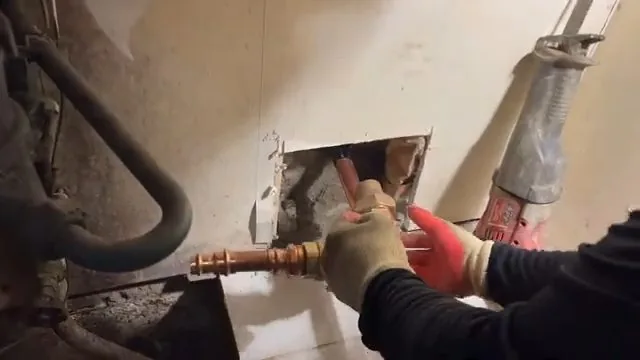
How to identify your pipe material in ten minutes
You can usually get most of the way to an answer yourself, in about ten minutes, without opening anything.
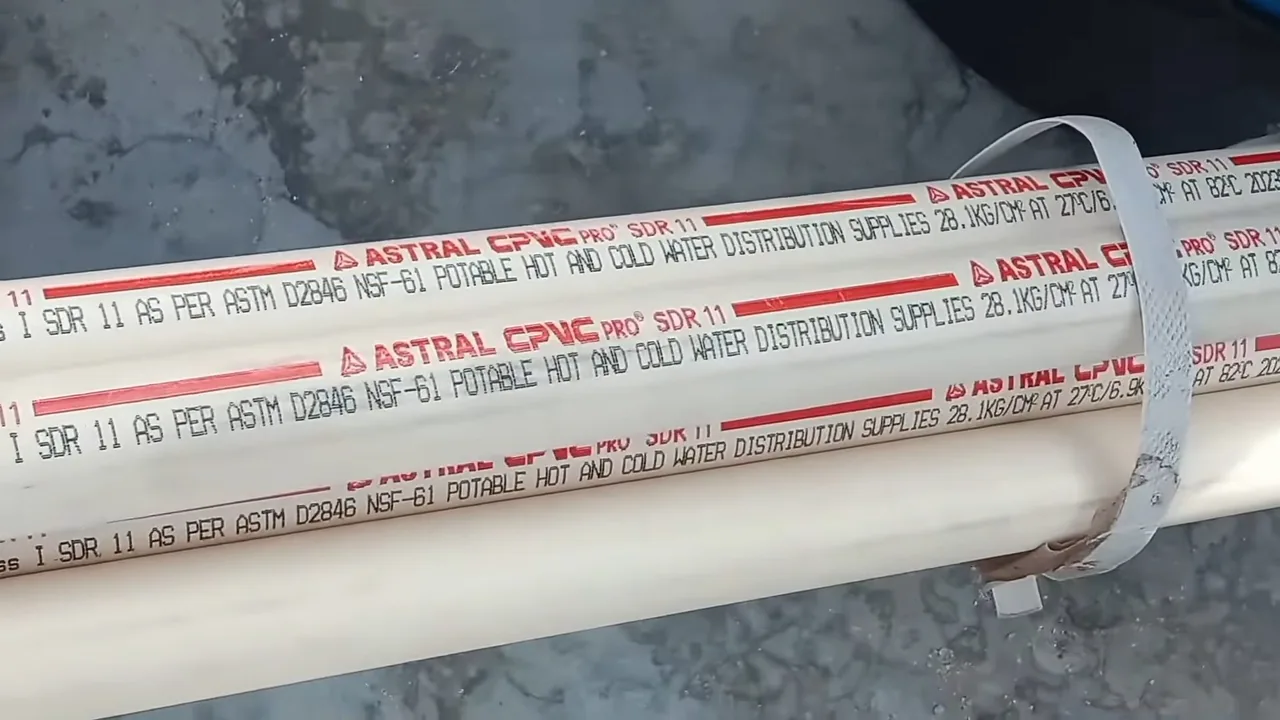
- Look at the pipe entering the water heater, and at the stub-outs under sinks and behind the toilet. Those are the visible ends of the supply system.
- Polybutylene is a dull grey plastic, flexible, usually half-inch or three-quarter, often marked PB2110 along its length.
- It can also be white or light blue, which catches people out, so go by the stamping and the feel rather than the colour alone.
- Copper is obvious: rigid, metallic, going green or dark brown with age.
- PEX is also flexible plastic but usually red, blue or white, and is a modern replacement material rather than a problem one.
Build date narrows it further. The material was specified for new construction across a seventeen-year window ending in the mid-nineties. With typical build dates of 1984 in South Venice and 1983 in Port Charlotte, a large share of that housing landed inside it.
Why polybutylene fails at the fittings, not along the pipe
Polybutylene does not usually split along its length. It degrades from the inside, and the failures concentrate at the joints.
Chlorine in treated water reacts with the material over years, making it brittle where it is clamped. The original systems used acetal plastic fittings and metal crimp rings, and that junction is where the stress sits.
The practical consequence matters more than the chemistry. A system can look perfect and have no history at all, and then fail without warning at a fitting behind a wall. That is also why spot-repairing one failed joint rarely settles anything: the rest of the system is the same age and the same material.
Insurer asking questions about your pipes? Knowing what you have is the first step.
Call (727) 382-8599Copper, and the other road to a repipe
The second route here has nothing to do with insurance. It is simply age.
The typical home in Venice Gardens went up in 1969, and in Venice Isle in 1977. Both were plumbed in copper, often routed under the slab. Copper sitting against damp ground corrodes from the outside across decades, and the result is pinhole leaks that arrive one at a time.
One pinhole is a repair. The second one, somewhere else in the house a year later, is the system telling you what the rest of it is doing.
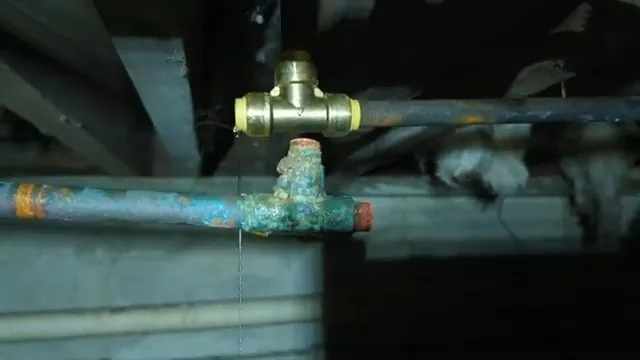
PEX or copper for the new pipe
Both are legitimate. The honest comparison, including where copper still wins:

| PEX | Copper | |
|---|---|---|
| Fittings needed inside walls | Few; long continuous runs | More joints, each a potential point of failure |
| Labour and disruption | Lower; flexes through existing cavities | Higher; rigid runs need more opening up |
| Reaction to aggressive water | Unaffected | Can pit depending on water chemistry |
| Service life expectation | Long, but a shorter track record | Decades of documented performance |
| UV exposure | Degrades; must not be run in sunlight | Unaffected |
| Cost | Lower installed | Higher installed |
For most Venice repipes PEX is the sensible default, largely because it can be routed through existing wall and attic cavities with far less demolition. Copper remains a reasonable choice where it is exposed, or where a homeowner simply prefers it.
Whole-house repipe sequence: mapping, routing and PEX runs
A whole-house repipe is more disruptive than people expect and less disruptive than they fear. The sequence is fairly standard.
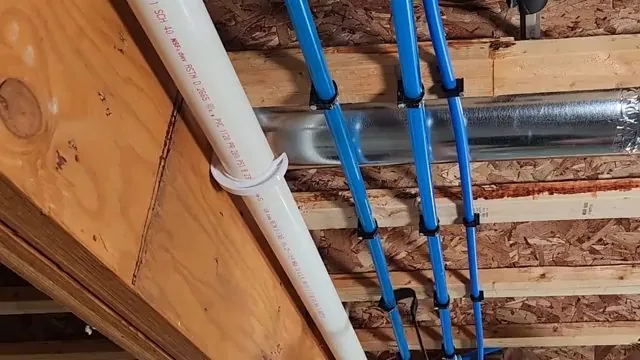
- Walk the property and map every fixture and run, then agree the routing before anything is opened.
- Open access points: small sections of drywall at each fixture, plus attic access for the main runs.
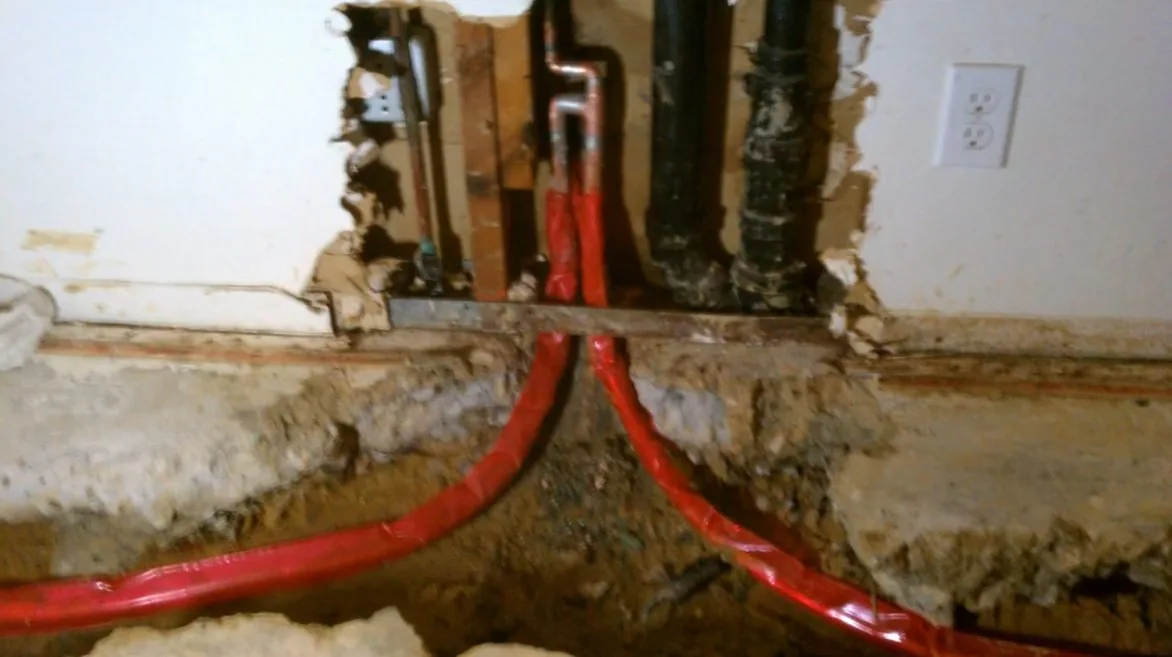
- Run the new supply lines overhead through the attic and drop them down inside the walls to each fixture.
- Tie in and switch over, usually with water off for part of one day rather than the whole job.
- Pressure test the new system before anything is closed up.
- Patch the access points, and agree beforehand whether patching stops at drywall repair or includes texture and paint.
That last point is the one that causes arguments after the fact. Get it in writing either way.
Can you stay in a Venice home during a repipe?
Usually yes, and most people do. A typical single-story Venice home is a few days rather than a few weeks.
Water is off for part of one day at switchover, not continuously. Expect dust, expect furniture moved away from walls, and expect at least one bathroom to be out of use at a time.
Seasonal properties have an obvious advantage here. Work done while the house is empty costs nothing in disruption, and scheduling it for the off months is worth doing if the timing is yours to choose.
When one more repair is the better answer
We would rather say this than sell a job that is not needed yet.
A single leak caused by something mechanical, on a system with no other history, is a repair. A copper system of moderate age with one isolated failure is a repair. A house you are selling within the year may be better served by disclosure and a price adjustment than by a repipe you will not benefit from.
Where it tips is repetition and material. Two or more failures in a couple of years, or a confirmed polybutylene system, and further patching is buying time at a poor rate.
Pipe repair and repiping Venice FL jobs sit on one line: a pinhole in sound pipe is a repair, and a second or third leak starts the repipe conversation.
Whole-House Repiping questions from Venice homeowners
My insurer flagged polybutylene pipe. Do I have to repipe the whole house?
Nobody can make you, but in practice it is usually what unblocks coverage. Citizens has published that new-business risks over twenty years old carrying this material are not insurable by them, and private carriers commonly follow suit. We cannot tell you what your own carrier will accept and we will not guess at it. What we can give you is a written scope for replacing it.
How do I tell whether my house has polybutylene pipe?
Look at the pipe entering the water heater and the stub-outs under sinks and behind the toilet. Look for a dull grey flexible plastic, usually half or three-quarter inch, often stamped PB2110. White and light blue versions exist too, so judge it by the stamping rather than the colour. Age helps: it was a new-construction material from the late seventies to the mid-nineties.
PEX or copper for a Venice repipe?
PEX is the sensible default for most homes here, mainly because it routes through existing wall and attic cavities with far less demolition and needs few fittings inside walls. Copper has the longer documented track record and is unaffected by sunlight, so it stays a reasonable choice for exposed runs or where a homeowner prefers it. Both are legitimate; the difference is mostly disruption and cost.
How long does a whole-house repipe take and can we stay in the house?
Most people stay. A typical single-story Venice home is a few days rather than weeks. Water is off for part of one day at switchover, not throughout. Expect dust, furniture moved off the walls, and a bathroom out of use at a time. If the property is seasonal, having the work done while it is empty removes the disruption entirely.
Is it better to keep repairing leaks or repipe the whole house?
It turns on repetition and material. One leak from something mechanical, on a system with no other history, is a repair. Two or more failures in a couple of years means the rest of the system is the same age and doing the same thing, so further patching buys time at a poor rate. A confirmed polybutylene system is its own answer, because the failures concentrate at fittings that are all the same age.
Repiping and the work that travels with it
A single isolated failure is still a repair rather than a replacement, and that is covered on broken pipe repair. Where the failures are under the concrete, slab leak repair sets out the reroute option that sometimes makes a full repipe unnecessary. If you can hear water but cannot place it, start at locating the leak.
The polybutylene-era housing is thickest in the South Venice neighbourhood and across the county line in the Port Charlotte area. The ageing copper that drives the other kind of repipe sits in the Venice Gardens neighbourhood and Venice Isle, FL.
Four-point inspection turned up polybutylene?
Send us what the inspector wrote. We will tell you what is actually in your walls, what replacing it would involve, and what it would take to get a written scope.