
Venice, FL · Water Softener Installation & Repair
Venice Water Softener Installation and Repair: When Treatment Pays Off and When It Does Not
Most water treatment advice written for Florida assumes hard water everywhere. In Venice that assumption is wrong for a large share of addresses, and acting on it means paying for a unit that solves a problem you do not have.
So this page starts with the question that decides everything else.
City supply or a private well?
The two give genuinely different answers, and the boundary does not follow the postal address.
On City of Venice supply
Supply here starts as brackish groundwater, pulled from the intermediate aquifer. It goes through reverse osmosis, then an aeration stage that drives off hydrogen sulfide, and finally chlorination before it is sent out.
Stripping out dissolved minerals is exactly what that first stage does, which is why the published water-quality figures carry no hardness measurement to quote. Water in that condition does not lay scale down inside a heater. So if you have been told city water is wrecking your appliances, it is worth asking whose water they meant.
On a private well
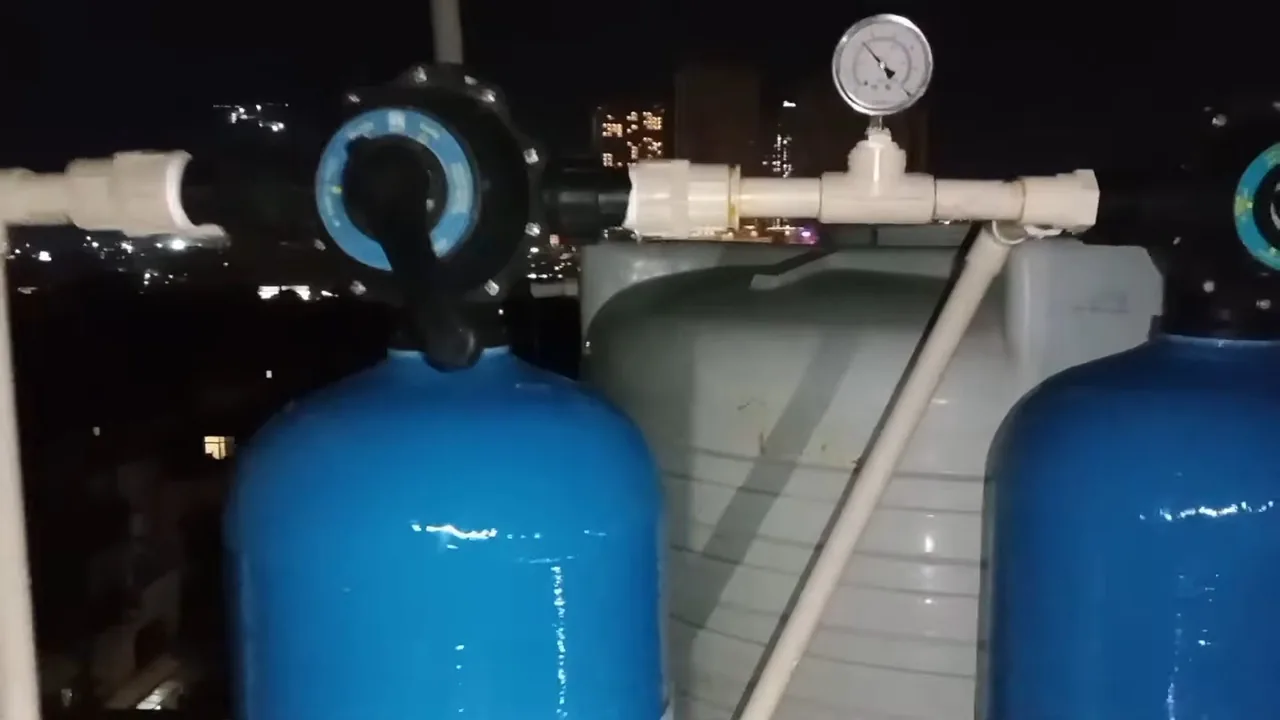
Entirely different proposition. Florida Department of Health parcel data puts roughly 30% of South Venice parcels on private wells, and about 41% in North Port.
Untreated groundwater here carries dissolved minerals, often iron, and frequently sulfur compounds. That is where scale, staining and the smell come from, and where treatment genuinely pays for itself.
The rotten-egg smell
This is the single most common water complaint we hear locally, and it has two quite different causes depending on where you smell it.
Smelling it only on the hot side points at the tank rather than the supply. The anode rod inside is designed to corrode so the steel does not, and on certain groundwater that process gives off hydrogen sulfide. Swapping the rod for a different alloy usually ends it. The detail sits on the water heater repair page.
In cold water too, it is coming in with the supply. On a well that points to treatment. On city supply it is worth reporting, because the utility already aerates specifically to remove hydrogen sulfide before the water leaves the plant.
On a well and seeing scale or staining? That is where treatment genuinely earns its keep.
Call (727) 382-8599Softener, filter, or both
These are different machines solving different problems, and they are routinely sold as if they were interchangeable.

| Problem | What fixes it |
|---|---|
| Scale on fixtures, glassware, inside the heater | Softener (ion exchange) |
| Chlorine taste and smell | Carbon filtration |
| Rotten-egg smell throughout the house | Aeration or oxidising filter |
| Orange or brown staining on fixtures | Iron filter |
| Sediment, grit, cloudiness | Sediment pre-filter |
| Drinking water taste at one tap | Under-sink reverse osmosis |
A softener does nothing for taste, smell or sediment. A carbon filter does nothing for scale. Plenty of wells here need a sediment pre-filter and an iron stage ahead of anything else, in which case the softener is the last component, not the first.
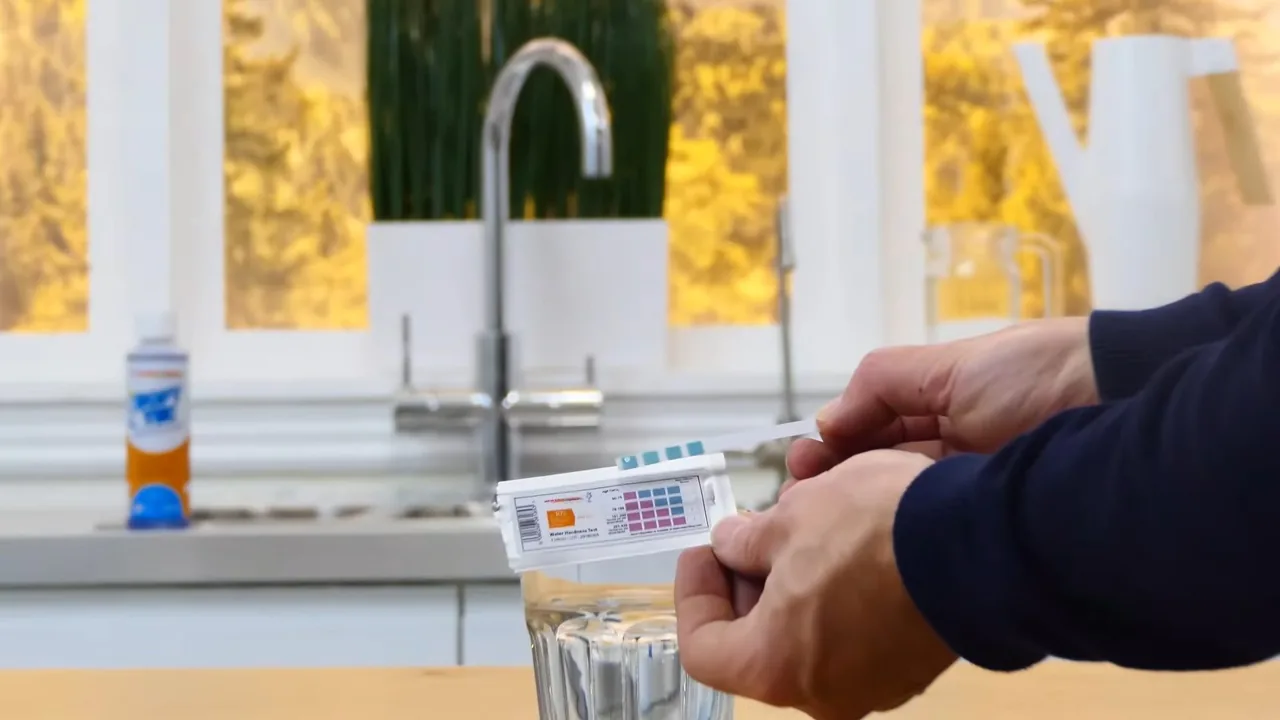
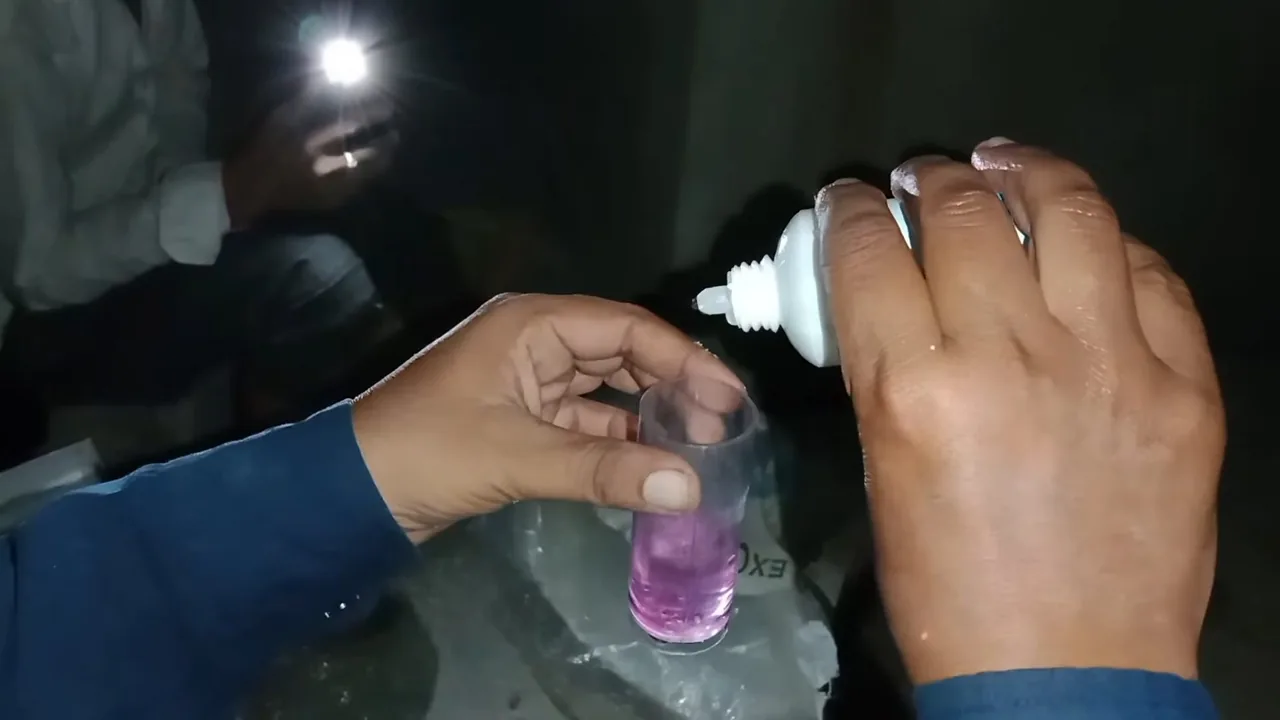
Test hardness, iron, pH and sulfur before buying treatment
No honest recommendation exists before the water is tested, and on a private well that is not optional.
A test gives hardness, iron, pH, and the sulfur and bacterial picture. That determines not just whether you need treatment, but the order the stages have to sit in. Getting the order wrong is how an expensive system underperforms: an iron load arriving at a softener resin bed will foul it.
For city-supplied addresses the utility publishes an annual water quality report, which covers the supply as it leaves the plant. A test at your tap is still the only thing that accounts for your own plumbing.
Sizing a water softener by hardness and household use
Sizing is set by hardness and by how much water the household actually uses, not by the number of bedrooms.
Undersize it and the unit regenerates constantly, wasting salt and water and wearing out early. Oversize it and it sits between regenerations long enough for the resin bed to channel, which reduces how well it works.
Placement matters as much. The unit goes on the main line after it enters the property and ahead of the water heater. It wants a drain for regeneration, a power outlet, and enough clearance to get salt into it without a struggle. In this market that is usually the garage.
Seasonal occupancy is worth raising at the quote. A softener in a house empty for six months should be set to regenerate on demand rather than on a fixed calendar, or it spends the summer cycling for nobody.
Before any water softener install Venice FL homes are quoted, the water should be tested first, because the supply type changes the answer.
When a softener stops softening
Most failures are one of four things, and the first two need no parts at all.
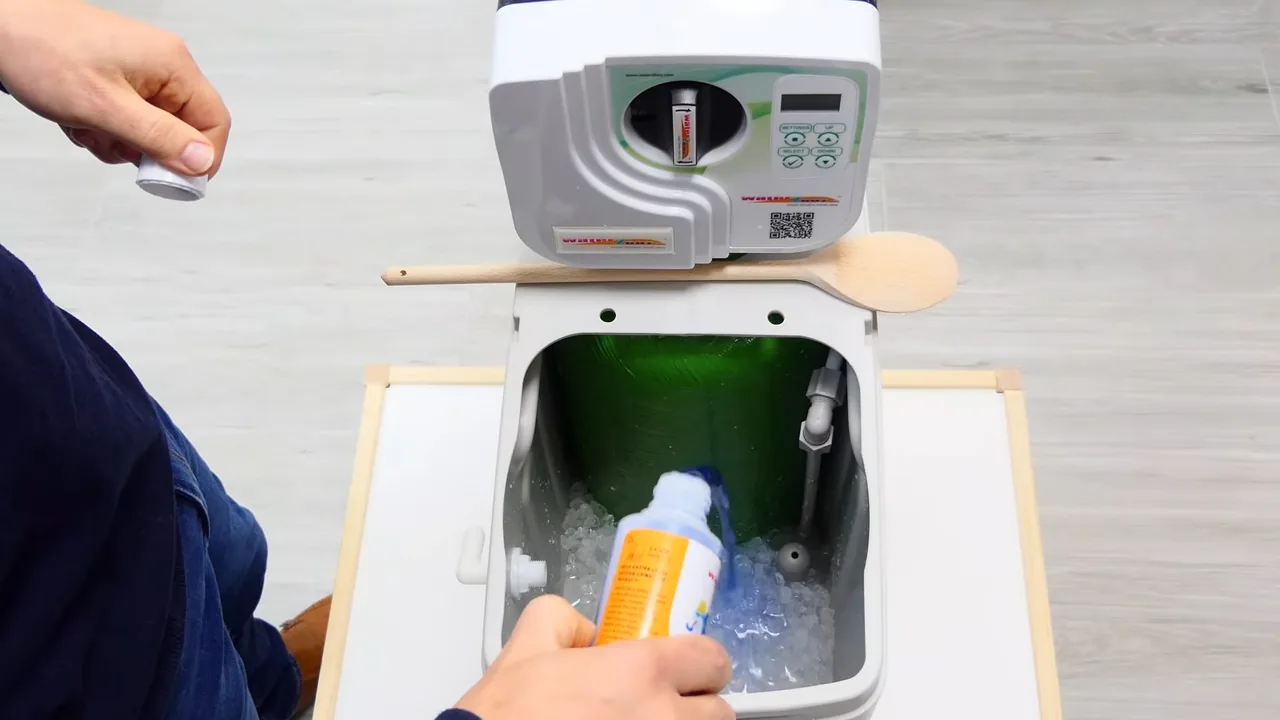
- The salt has bridged into a crust with a cavity underneath, so the brine tank looks full but is not dissolving anything.
- The regeneration cycle has been knocked off schedule, often after a power cut.
- The resin bed is fouled or exhausted, which iron accelerates considerably.
- The control valve or venturi is blocked, which usually shows as a brine tank that never draws down.
Break up the salt bridge with a broom handle and check the programming before calling anyone. If the brine level never moves between cycles, that is the valve, and that is ours.
Water Softener Installation & Repair questions from Venice homeowners
Do I need a softener if my Venice house is on a private well?
Quite possibly, and this is where treatment genuinely earns its keep. Florida Department of Health parcel data puts roughly 30% of South Venice parcels on private wells and about 41% in North Port. Untreated groundwater here carries dissolved minerals, often iron, and frequently sulfur compounds. Start with a test rather than a catalogue, because it decides both what you need and what order the stages go in.
Softener, filter, or both for a Venice home?
They solve different problems and get sold as though they were interchangeable. A softener handles scale. Carbon filtration handles chlorine taste and smell. An oxidising filter or aeration handles a rotten-egg smell. An iron filter handles orange staining. Plenty of wells here need a sediment pre-filter and an iron stage ahead of anything else, which makes the softener the last component rather than the first.
What can be done about the taste and smell of Venice tap water?
It depends which supply you are on and where you notice it. City of Venice supply is reverse osmosis treated and then chlorinated for distribution, so taste complaints there are usually chlorine and carbon filtration addresses them. A rotten-egg smell in hot water only is normally a water heater anode reaction rather than the supply. In cold water too, on a well, that is a treatment question.
Will a softener help if I am on City of Venice water?
Often not, and we would rather say so up front. Brackish aquifer water put through reverse osmosis comes out with its dissolved minerals removed, which is why there is no hardness measurement to quote from the published figures. Water in that state does not scale up a heater. On city supply, a hard-water sales pitch is worth questioning.
Why has my softener stopped softening?
Usually one of four things, and the first two need no parts. The salt may have bridged into a crust with a cavity underneath, so the tank looks full but is dissolving nothing. The regeneration schedule may have been knocked off after a power cut. Beyond that it is a fouled or exhausted resin bed, which iron accelerates, or a blocked control valve. If the brine level never drops between cycles, that is the valve.
Water treatment next to the rest of the plumbing
A sulfur smell in hot water only is a heater question rather than a treatment one, and that is on water heater fault repair. Water chemistry also decides how often a tankless unit needs descaling, and scale inside an ageing supply line is part of what replacing the supply pipe resolves.
The well-supplied addresses where treatment genuinely pays are concentrated in the South Venice area and the North Port area, while the city-supplied streets and county-served communities such as Venice Gardens, FL usually need far less.
Unsure about a softener? Tell us your address and water
Tell us your address and what the water is doing. Whether you are on city supply or a well changes the answer completely, and we would rather say so than sell you a unit you do not need.