
Venice, FL · Water Heater Repair
Venice Water Heater Repair: No Hot Water, Lukewarm Showers, Noises and Leaks
Water heaters give notice before they stop. The useful thing is knowing which warnings mean a part and which mean the tank is finished, because those two answers lead to very different conversations.
This page covers repair of existing tank heaters. New installs and replacements are on the installation page, and tankless units have their own.
No hot water this morning
The first fork is fuel type, because the failure patterns barely overlap.
Electric units
Usually a failed heating element or thermostat, or a tripped high-limit cutout. A unit with two elements often gives a warning first: lukewarm water or hot water that runs out much faster than it used to, which means one element has gone and the other is carrying the load.
Gas units
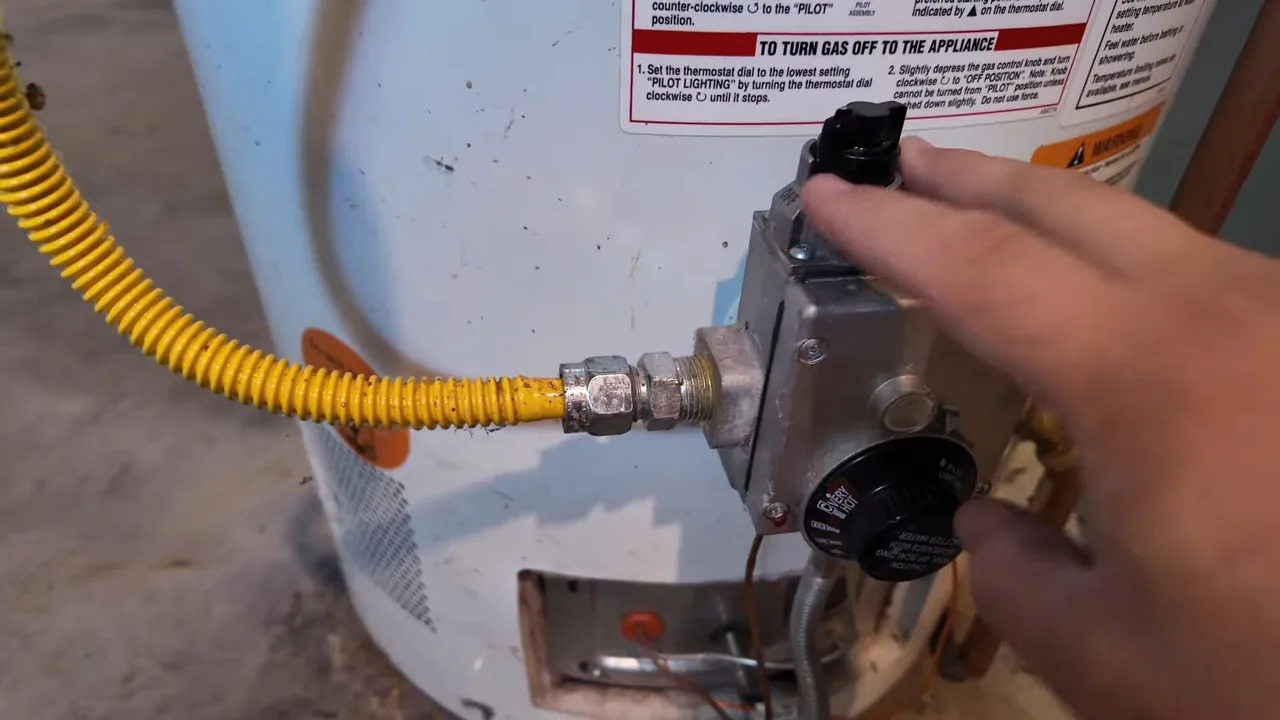
Usually the pilot, thermocouple or gas control valve. A pilot that lights and drops out as soon as the knob is released points at the thermocouple. One that will not light at all is a supply or control question, and that is where it stops being a homeowner job.
A leaking heater, and whether that is repairable
This is the question people most want answered, and the honest answer depends entirely on where it is leaking from.
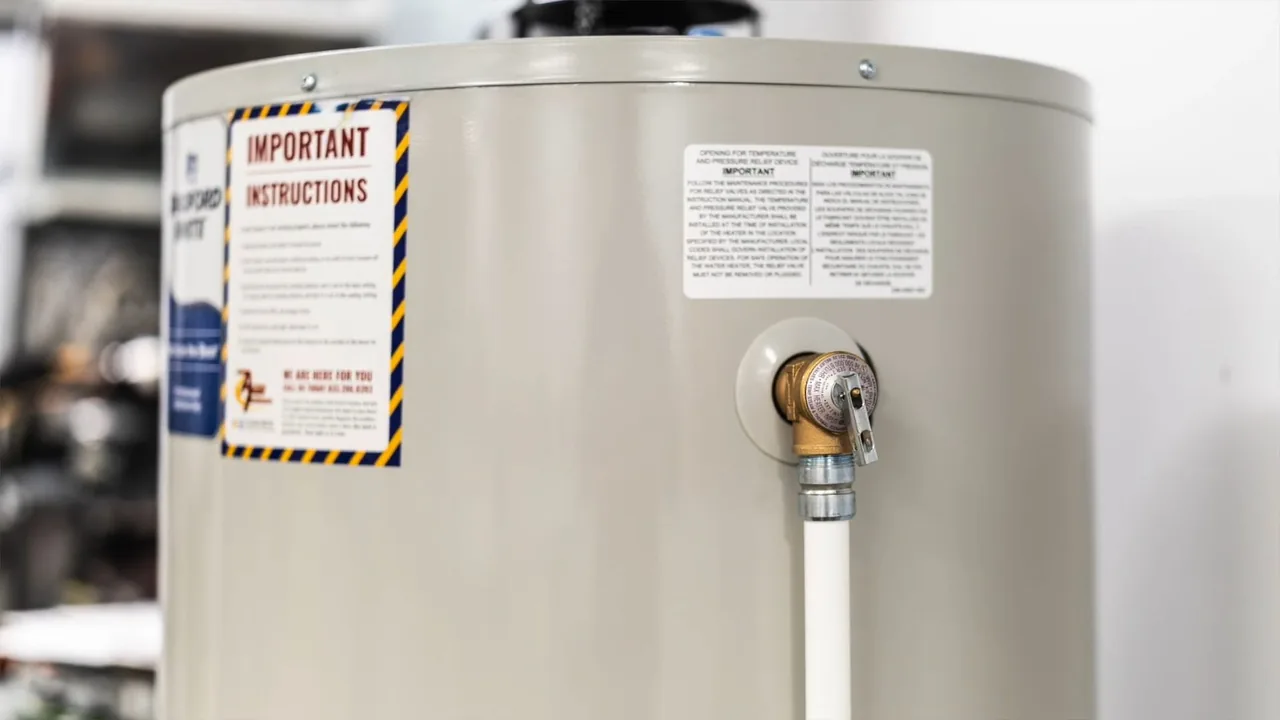
Fittings, the drain valve, the temperature and pressure relief valve and the connections at the top are all serviceable parts. Water appearing from the body of the tank is different: the glass lining has gone and the steel underneath is corroding through. There is no repair for that, and a tank at that stage will not wait politely.
Water pooling under the tank? Shut the supply at the heater and call before it spreads.
Call (727) 382-8599Rumbling, popping and sediment
A heater that bangs or rumbles when it fires is usually boiling water trapped under a layer of sediment on the tank floor.
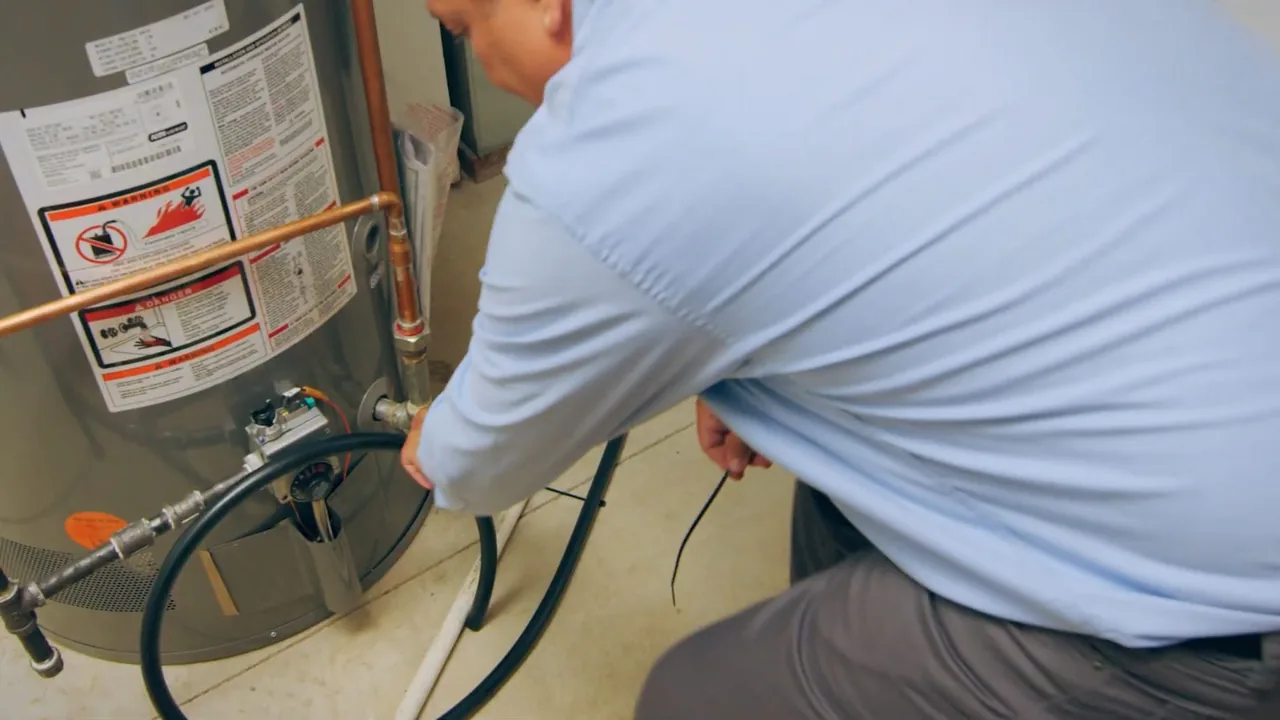
Flushing it helps if it is caught early. Left long enough the layer insulates the burner from the water above it, which drives up running cost and overheats the tank bottom. Treated municipal supply lays that sediment down slowly. A private well does it considerably faster.
The rotten-egg smell, and the anode
A sulfur smell that only shows up in hot water, and mostly on properties drawing from a private well, is usually a reaction inside the tank rather than a problem with the water arriving.
The sacrificial anode rod protects the tank by corroding in its place. Where the supply carries sulfates and the right bacteria, that reaction produces hydrogen sulfide gas, and the result is the smell. Changing the anode type generally resolves it.
If the smell is in the cold water too, it is not the heater. On City of Venice supply that is worth flagging, because the city already aerates specifically to strip hydrogen sulfide before the water is chlorinated and sent out.
Repair or replace at the ten-year mark
Past about eight years the arithmetic changes, and it is worth being deliberate rather than defaulting to whichever costs less today.
| Symptom | Usual answer |
|---|---|
| Pilot drops out, thermocouple suspect | Repair |
| One element dead on a twin-element electric unit | Repair |
| Leaking drain valve or T and P valve | Repair |
| Rumbling with no other symptoms, unit under 8 years | Flush, then repair |
| Water seeping from the tank body itself | Replace, no repair exists |
| Second significant fault on a unit past 10 years | Usually replace |
| Rusty hot water with a sound cold supply | Usually replace |
Expected service life figures and the replacement decision itself are set out on the installation page.
Heater and fixture on the same visit
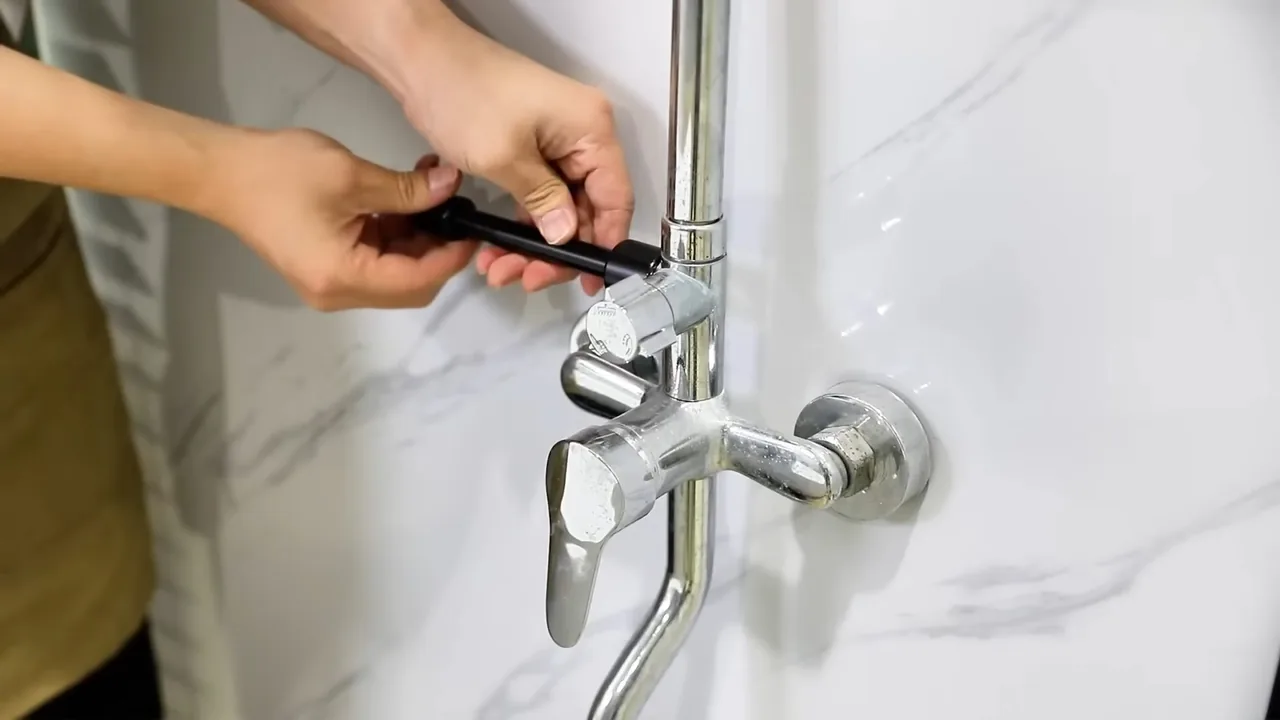
Plenty of these calls turn out to be two jobs. A heater that is slow to deliver hot water and a mixing valve that is passing cold into the hot side look identical from the tap, and only one of them is the heater.
Where the second item is fixture work, it is usually done in the same visit rather than booked again. Fixture repair in its own right is covered on the faucet and sink page.
Water Heater Repair questions from Venice homeowners
Is a leaking water heater something that can be repaired?
It depends entirely on where it is leaking from. Fittings, the drain valve, the temperature and pressure relief valve and the top connections are all serviceable parts. Water coming from the body of the tank is different: the glass lining has failed and the steel is corroding through. There is no repair for that, and a tank at that stage will not wait politely.
What goes wrong first on a gas water heater in Venice?
Usually the pilot assembly. A pilot that lights but drops out as soon as you release the knob points at the thermocouple, which is an inexpensive part. One that will not light at all is a gas supply or control valve question, and that is where it stops being a homeowner job. If you smell gas at any point, leave and call the gas utility first.
No hot water at all but the breaker is on. What is likely wrong?
On an electric unit, most often a failed heating element, a thermostat, or a tripped high-limit cutout behind the access panel. A twin-element heater often warns you first by going lukewarm or running out of hot water far faster than it used to, which means one element has gone and the other is doing all the work.
Is it worth repairing a water heater that is already ten years old?
Sometimes, and the deciding factor is which fault it is rather than the age alone. A thermocouple or a relief valve on an otherwise sound ten-year-old tank is worth doing. A second significant fault on a unit that age, rusty hot water, or any seepage from the tank body itself all point the other way. The repair page sets out which symptoms fall where.
Can a heater problem and a fixture problem be fixed in one visit?
Usually yes, and it is worth mentioning both when you call so the right parts are on the van. A slow-to-deliver heater and a mixing valve passing cold into the hot side feel identical at the tap, and only one of them is the heater, so sometimes the second job turns out to be the actual cause.
When a heater repair becomes a replacement
Where the tank itself has failed rather than a part, the job moves to water heater installation and replacement. If you are weighing a different type entirely, a tankless heater is worth reading first. A mixing valve passing cold into the hot side is fixture work, and water pooling around the base of a tank that has been leaking a while may also need drying out properly.
The sulfur-smell problem described above belongs mostly to well-supplied addresses, which in practice means the South Venice area and North Port, FL rather than the city-supplied streets.
No hot water since this morning?
Tell us the make, roughly how old it is and what it is doing. Most of these are diagnosed on the phone well enough to know whether it is a part or a replacement.