
Venice, FL · Trenchless Pipe Lining & Relining
Venice Pipe Lining: Repairing a Cracked or Root-Damaged Sewer Line Without Digging Up the Yard
Most people arrive at this page having been quoted to dig up a line, and wanting to know whether the yard really has to come apart. Sometimes it does. Often it does not.
Lining rehabilitates the pipe you already have, from the inside, through existing access points. What follows is where it works, where it does not, and what to ask.
Lining or digging: which your line actually needs
The deciding factor is whether the host pipe still holds its shape. Lining uses the existing pipe as the mould for the new one, so there has to be an existing pipe to work with.
A line with cracks, root intrusion at the joints, corrosion or general wear is usually a lining candidate. A line that has collapsed, separated badly at a joint or lost its shape has nothing to line against.
Sewer and drain pipe lining Venice FL homeowners are quoted usually means a cured-in-place liner, and the camera survey decides whether the line qualifies.
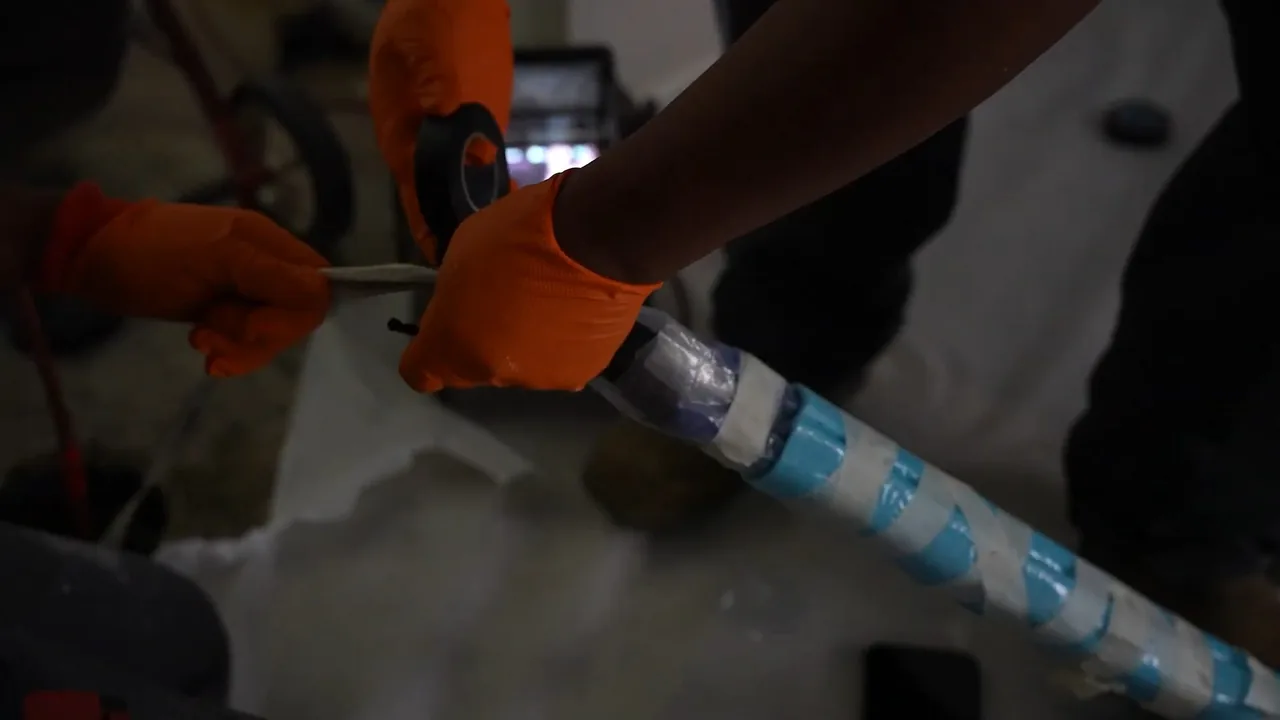
A comparison to take to any quote
The honest version, including where digging wins.
| Trenchless lining | Open-trench replacement | |
|---|---|---|
| Surface disruption | Access points only, usually existing cleanouts | Open trench along the length of the run |
| Landscaping and driveway | Largely left in place | Anything above the line is lifted |
| Time on site | Often a single day for a residential run | Several days including backfill and reinstatement |
| Works when the pipe has collapsed | No | Yes |
| Changes the pipe diameter | Slight reduction in bore | New pipe at full diameter, can be upsized |
| Reinstatement cost | Minimal | Often a large share of the total |
That last row is the one most often left out of a comparison. A dig quote that does not include putting the driveway, irrigation and planting back is not a complete quote.
What cured-in-place lining involves on the day
The sequence is the same on most residential jobs.
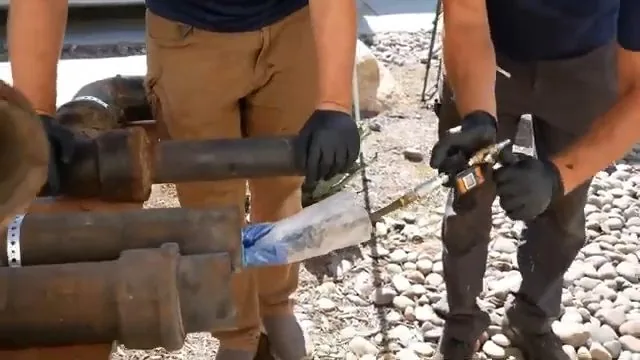
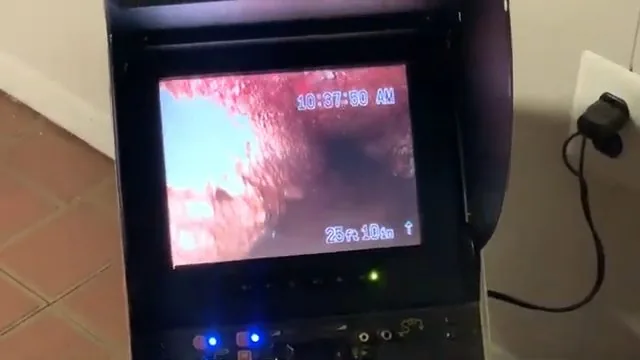
- Camera the line end to end and measure it, so the liner is cut to length.
- Clean the host pipe back to its wall, usually by jetting, since the liner bonds to whatever is left in there.
- Saturate the liner with resin and invert or pull it into position.
- Cure it in place, leaving a jointless pipe formed inside the old one.
- Reinstate any branch connections, then camera the finished line as a record of what was done.
Ask for the before and after footage. It is the only durable evidence of what the line looked like and what it looks like now.
Got a dig quote? Ask whether the line was ever assessed for lining first.
Call (727) 382-8599When a line cannot be lined
Being straight about the limits is more useful than selling the method. Lining is the wrong answer in four situations.
- The host pipe has collapsed or lost its shape, so there is nothing to line against.
- The run has a severe belly holding standing water.
- Joints have separated and gone out of alignment.
- The line is undersized for the building and the point of the work is to upsize it.
A slight reduction in internal diameter comes with the method. On a correctly sized residential line that is not a practical issue, because the smooth jointless bore flows better than the scaled pipe it replaced. On a line that was already marginal it matters, and that is a reason to dig.
Lining under mature trees, driveways and 1960s Venice lots
This is where the method earns its keep locally. The older Venice communities were platted decades ago and the planting has had that long to establish, with Venice Gardens sitting at a 1969 median build year and the earliest homes there dating to 1955.
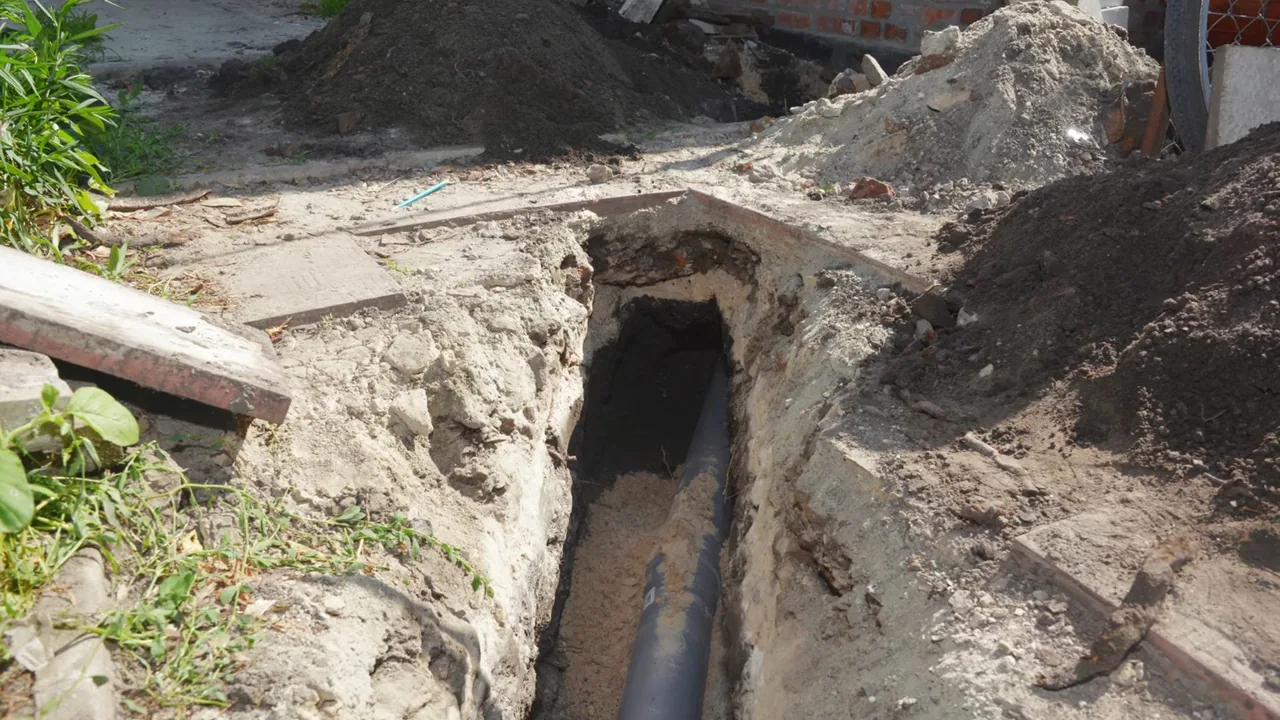
A sewer run on a lot like that typically passes under established trees, a driveway, irrigation and sometimes a lanai slab. Replacing it in open trench means all of that comes out and goes back, and the going-back is often the larger number. Lining leaves it where it is.
What moves the price
Lining is priced mostly by the foot, so the length of the run is the biggest single factor. After that it is pipe diameter, how many branch connections have to be reinstated, how good the access is, and what condition the host pipe is in, since a badly scaled line needs more cleaning before anything can be installed.
Wide market ranges for this work and the other jobs on this site are set out on the cost page. What you should get before anyone starts is a price based on your measured line, not on a per-foot figure multiplied by a guess.
Trenchless Pipe Lining & Relining questions from Venice homeowners
Trenchless lining or dig and replace: which is right for my line?
It turns on whether the host pipe still holds its shape, because lining uses the existing pipe as the mould for the new one. Cracks, root intrusion at the joints, corrosion and general wear are usually lining candidates. A collapsed line, badly separated joints or a severe belly are not, and those are dig jobs.
Can a collapsed sewer line still be lined?
No. Lining forms a new pipe inside the old one, so there has to be an intact shape to line against. A line that has collapsed or lost its form has nothing to support the liner, and the honest answer there is open-trench replacement. Anyone offering to line a collapsed line is worth a second opinion.
Will lining the line save my mature trees and driveway?
That is usually the strongest argument for it here. The older Venice communities were platted decades ago, with Venice Gardens at a 1969 median build year and its earliest homes dating to 1955, so planting above a sewer run has had a long time to establish. Lining works through existing access points and leaves what is above the line in place.
What drives the price range on a trenchless lining job?
Mostly the length of the run, since the work is priced by the foot. After that it is pipe diameter, how many branch connections have to be reinstated, access quality, and the condition of the host pipe, because a badly scaled line needs more cleaning before anything can be installed. Wide ranges for this and the other services are on the cost page.
How do I verify a contractor's credentials for a trenchless job?
For lining work the thing worth asking for is the evidence, not just the paperwork: before and after footage of your own line, the measured length it was priced on, and what resin and liner system is being installed. On the paperwork side, the state license number can be checked against Florida's contractor register and the insurance certificate should be current and name the company doing the work, not a subcontractor you have not met.
Lining versus digging, and what leads to each
Lining is one answer to a problem that sewer line repair covers in full, including the cases where digging is the right call. The host pipe has to be cleaned before a liner goes in, which is host-pipe jetting work, and the inspection that decides any of this is described on the drain camera inspection page.
The mature planting that makes lining worth paying for belongs to the older platted communities, the Venice Gardens neighbourhood above all. We do the same work in Port Charlotte, where a 1983 median build year puts many laterals at a similar stage of life.
Been quoted to dig up the yard?
Before anything comes up, it is worth knowing whether the line can be rehabilitated in place. Send us the camera footage you were shown, or we will run our own.